What Does EMEA Mean in a Job Post?
 6 min read


In a job posting, EMEA means Europe, the Middle East and Africa. What "Remote, EMEA" really means, 5 location labels and 3 checks before you apply.

In this article

Start your hiring
Book a free discovery call. We map the role, set your budget, and start sourcing pre-vetted European talent.
Book a call ↗EMEA in a job post means Europe, the Middle East and Africa. "Remote, EMEA" means the employer will consider candidates living anywhere in that region, which runs from Iceland to South Africa and east to Iran, and in practice usually means "we have a way to pay people in most of Europe and we want applicants in roughly European working hours". It does not guarantee that your specific country is included.
Here is what the label usually means, where it came from, and the three things to check before you apply.
Key takeaways
- EMEA stands for Europe, the Middle East and Africa. It is a business grouping, not a legal one, and companies draw its borders differently.
- "Remote, EMEA" usually means "European hours and a region we can pay in", not "any country in the region".
- Before you apply, check three things: whether your country is covered, what hours of overlap are expected, and what contract type is offered.
- If the post names countries or a time zone band instead of EMEA, that is a better-written post, and your odds are better if you fit it exactly.
Where does the term come from?
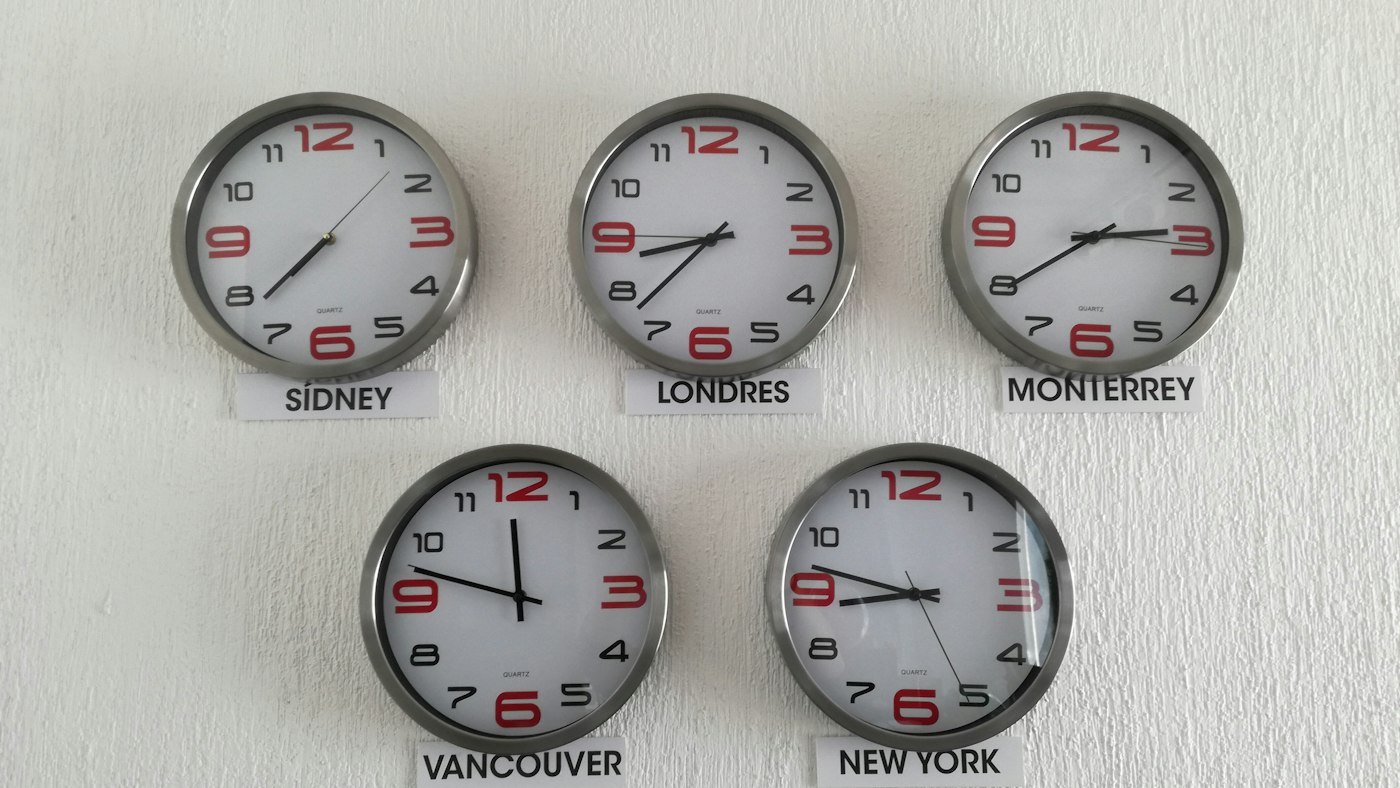
EMEA is a label used mostly in North American business circles to group the markets east of the Atlantic into one sales or operations region. According to the EMEA entry on Wikipedia, the grouping is generally taken to include all European and all African countries plus the Middle East, extending to part of Russia, and it is useful to companies because most of the region sits within four time zones, which makes meetings and travel easier to plan. There are more than a dozen variants (EEMEA, CEMEA, MEA, MENA, EMEIA, and others) and businesses adjust the list of countries to suit themselves, which is why the word on its own tells you less than it seems to.
When a US company writes "Remote, EMEA" in a job post, it is usually telling you one of two things: the hiring manager sits in a team that is organized by region and this role belongs to the EMEA team, or the company has a payroll partner or an employer of record that covers much of Europe and would rather not list 30 countries. Either way, the real constraint is the one that is not written: where they can legally hire and pay.
What does "Remote, EMEA" in a job posting mean in practice?
| What the post says | What it usually means | What to check |
|---|---|---|
| Remote, EMEA | Europe-first, with the Middle East and Africa possible if payroll allows. European working hours expected. | Ask whether your country is covered and under which contract type. |
| Remote, EMEA (UK hours) | You work roughly 9:00 to 17:30 London time wherever you are. | Convert the hours to your own time zone before you apply. |
| Remote, EMEA, must be in a country where we have an entity | A fixed list of countries, often the UK, Ireland, Germany, the Netherlands, Spain, Poland and a few more. | Ask for the list. If your country is not on it, do not apply. |
| Remote, Europe (CET plus or minus 2) | Most of the EU, the UK, the Balkans, Ukraine and Turkey. | Check the contract type and the overlap hours. |
| Remote, US only | You must live in the United States with work authorization. | Do not apply from Europe. This is the single biggest cause of silent rejections. |
The same post may say EMEA in the title and name specific countries in the body, so read to the end. If the role is advertised in the US and the body talks about health insurance and 401(k), the EMEA label may have been copied from a template and the role may not be open to Europe at all.
Roles that are open to Europe, and say so, are what the Euro Remote Talent job board lists, so you spend less time decoding labels.
What should you check before applying to an EMEA role?
1. Is your country actually covered?
Write a one-line message to the recruiter or the hiring manager before you apply: "Before I apply, can you confirm you can hire in Romania for this role, and whether that is as a contractor or through an employer of record?" A company that can answer in one line is a company that has thought about it. If the answer is "we are figuring that out", you are early, and you may be waiting.
2. How many hours of overlap do they expect?
EMEA roles at US companies often expect overlap with the US East Coast, which is six hours behind Central European Time for most of the year. A post that says "EMEA" but expects 9:00 to 17:00 New York time is asking you to work 15:00 to 23:00 in Berlin. The guide to how US companies hire in Europe has a time zone table for the common cases.
3. What is the contract type, and what does the pay mean?
A number in USD means something different to a contractor, who pays their own tax and social contributions, than to an employee hired through an employer of record. Ask which it is, and use the jobseeker calculator to compare a local salary with a US contractor rate before you quote a figure. Contract type and tax are country-specific, so confirm your own situation with a local accountant.
What do the other region labels mean?
EMEA is one of a family of labels, and the same post may use several. Read them the same way: a region is a hint about hours and payroll coverage, never a promise about your country.
| Label | Stands for | What it usually means in a remote job post |
|---|---|---|
| APAC | Asia-Pacific | Asian and Australian working hours. Not open to Europe unless the post says worldwide. |
| LATAM | Latin America | Americas working hours, often chosen for overlap with the US. Not open to Europe. |
| AMER or NAMER | The Americas, or North America | US and Canadian hours; NAMER usually means the US, Canada and sometimes Mexico only. |
| DACH | Germany, Austria, Switzerland | German-speaking roles, often with a German-language requirement in the body. |
| CEE | Central and Eastern Europe | Poland, Czechia, Romania, Hungary, the Baltics, the Balkans and neighbors. Common in engineering and support hiring. |
| Nordics | Denmark, Finland, Iceland, Norway, Sweden | Usually a sales or account role covering those markets, sometimes with a language requirement. |
| Benelux | Belgium, the Netherlands, Luxembourg | Same pattern as the Nordics: a market to cover, often with Dutch or French. |
| UKI | The UK and Ireland | London hours, GBP or EUR pay, often an entity in both countries. |
A role labeled CEE, DACH or Nordics is more precise than one labeled EMEA, and precision is good news: the employer has thought about where it can hire. Your odds are best when you fit the label exactly, so if the post says Nordics and you are in Lisbon, apply only if the body says the location is flexible.
The reverse case matters too. If you see "EMEA" on a post from a company whose other roles all say "US only", the EMEA role is probably the one real opening for Europeans, and it will fill fast, so apply in the first few days and message the hiring manager the same day.

FAQ
Is the UK part of EMEA?
Yes, in almost every company's definition. EMEA is a business grouping, not an EU grouping, so Brexit changed nothing about it. The UK is often the largest part of a US company's EMEA team.
Is Russia part of EMEA?
Geographically, part of it is, and some companies used to list it. Since 2022 most US and European companies do not hire in Russia or Belarus, and many say so in the post. If the post does not say, assume no.
Does "EMEA" mean the salary is lower?
Not by itself. Many companies set one pay band per region, and EMEA bands are usually below US bands for the same role. The post should state the range; if it does not, ask before the first interview. The seven fixes for remote job rejections cover how to ask without losing the interview.
The short version
EMEA means Europe, the Middle East and Africa, and in a job post it usually means "European hours, in a country we can pay in". Confirm your country, the overlap hours and the contract type before you apply, and read the whole post in case the body contradicts the label. If you are based in Europe and want help positioning yourself for roles like these, the Land a Great Remote Job accelerator program is a 2-week program with 4 live classes and 10 seats, with a waitlist open now.

Julien founded Euro Remote Talent, which helps people in Europe find remote jobs and places European remote professionals with remote companies.