Euro Remote Talent vs Upwork, Toptal and DIY Hiring: An Honest Comparison
 7 min read
An honest comparison of Euro Remote Talent against Upwork, Toptal and hiring yourself, including the real fees and trade-offs of each path.


In this article
Start your hiring
Book a free discovery call. We map the role, set your budget, and start sourcing pre-vetted European talent.
Book a call ↗There are three common ways a US company hires remote European talent, and we are only one of them. This is an honest look at all three, including where the others are the better call. If you are hiring one junior contractor for a small project, you may not need us at all. Here is how to tell.
Option 1: A marketplace like Upwork
Upwork is the largest freelance marketplace, and for well-defined, short-term work it is genuinely useful. You post a job, freelancers apply, you pick one. The pool is enormous.
The trade-offs are real, though. The volume that makes the pool large also makes filtering the work. You are the vetting process, and for a role that matters, that is a lot of hours reading proposals and running trials. There are also fees layered on top: Upwork charges clients a marketplace fee of up to 7.99% on payments, reduced to 3% for US clients paying by bank account, according to Upwork's own pricing.
Best for: small, clearly scoped tasks where you can afford to test a few people and the cost of a wrong pick is low.
Option 2: A premium network like Toptal
Toptal sits at the opposite end. It vets hard and markets itself on exclusivity, accepting fewer than 3% of applicants through a five-step screen that it says runs three to eight weeks. When you hire through Toptal, someone has already done the filtering, and it shows in the quality.
You pay for that. Toptal is positioned as a premium service with rates to match, which makes it a strong fit for short bursts of senior, specialised work and a heavier lift for a startup trying to build a durable team on a budget.
Best for: short-term, high-end, specialised projects where you want pre-vetted seniority and price is secondary.
Option 3: Doing it yourself
Plenty of founders skip the middle entirely. They post the role, source directly, and run their own process. Done well, it gives you the lowest ongoing cost and full control.
The catch is that it is a real project, not a side task. Sourcing, screening, trials, contracts and payments across borders all land on you, at exactly the moment you are busiest. The savings on paper are real. So is the time and the risk, because the entire burden of picking correctly out of an unfamiliar market sits with you.
Best for: founders who have hired remotely before, have time to run a proper process, and want maximum control.
Where we fit
Euro Remote Talent is built for the case the other three handle least well: a US company that wants a strong, durable European hire without either becoming the vetting department or paying premium-network rates.
We do the sourcing and the vetting, we focus on people who are already AI-native and used to working with US teams, and we hand you a short list of candidates who fit the specific outcome you are hiring for. You still make the decision and run the final trial. We remove the part that eats your week and carries the most risk, which is finding and filtering the right people in the first place.
We are not the cheapest line item, and we will say so. If your need is a single small task, a marketplace is more sensible. If you want one senior specialist for three weeks, a premium network may fit better. Where we earn our place is the durable hire, the person you want to keep, where a wrong pick is expensive and your time is scarce.
An honest way to decide
- Small, scoped, low stakes: use a marketplace.
- Short, senior, premium, price secondary: use a premium network.
- You have done this before and have the time: do it yourself.
- You want a durable hire without running the search: talk to us.
The short version
Marketplaces win on scoped, low-stakes tasks. Premium networks win on short bursts of pre-vetted seniority. DIY wins on control if you have the time. We win when the hire matters, the market is unfamiliar, and your time is the scarcest thing you have.

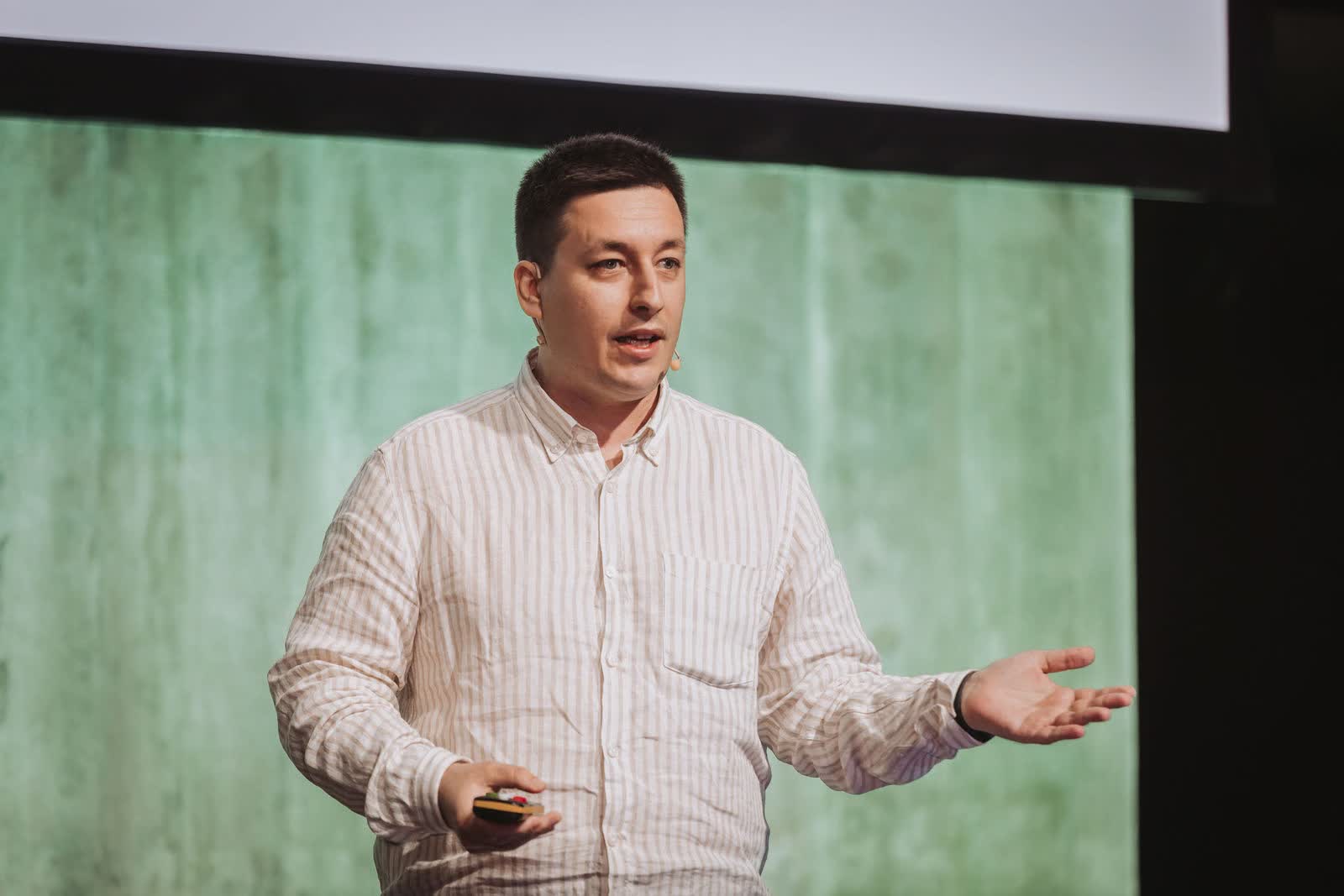
Julien is the founder of Euro Remote Talent, a recruiting agency that places pre-vetted, AI-native European remote professionals with US companies for a single flat fee, backed by a 12-month replacement guarantee. He works with US founders every week on sourcing, vetting, and hiring across European markets.